1400 W Olive Ave. Suite 101 Burbank, CA 91506


How to Prepare Your Child for a Visit to a Kids Orthodontist

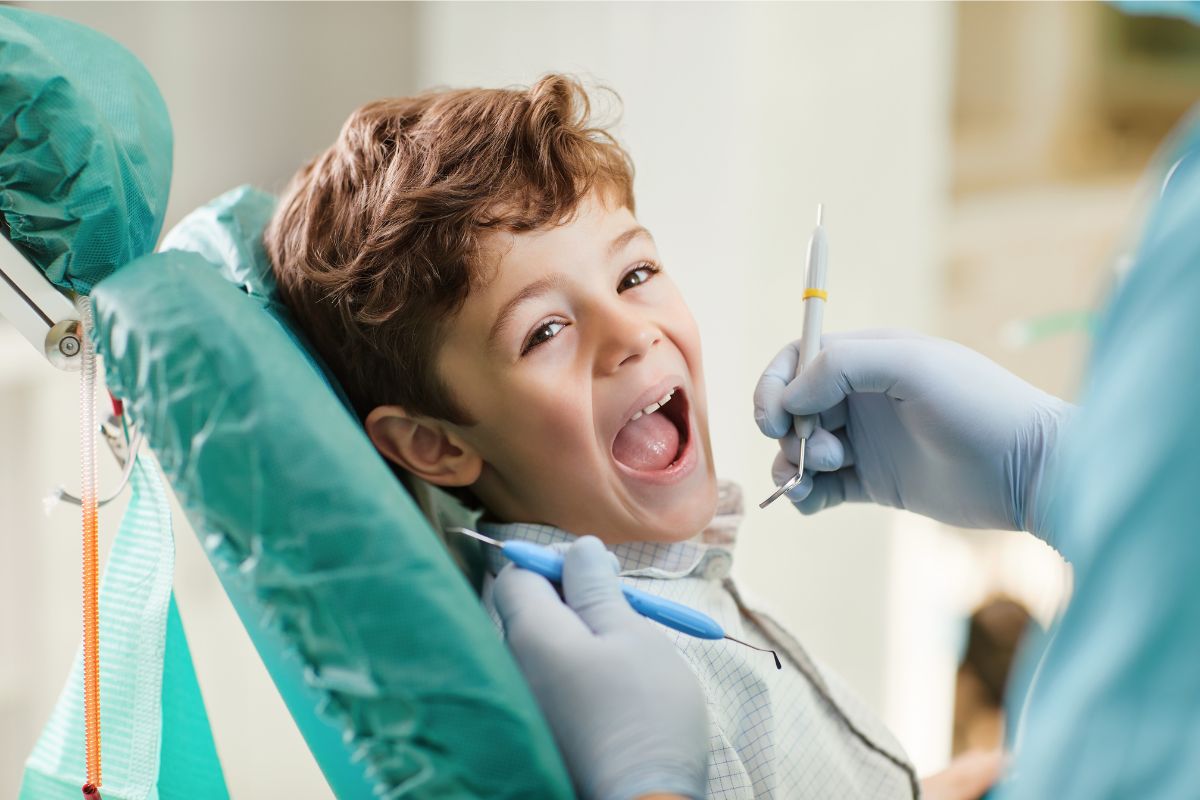
A first orthodontic appointment can feel like a big event to a child.
Parents often have their own questions, too. Will my child need braces? Will the exam hurt? Should I tell them what to expect? Do they need to bring anything?
A little preparation can make the visit feel more familiar and less intimidating. The goal is not to convince your child that orthodontic treatment is necessary. It is simply to help them understand that the appointment is an opportunity to look at how their teeth and jaws are developing.
When Should a Child See a Kids Orthodontist?
The American Association of Orthodontists recommends that children have an orthodontic check-up by age seven.
That recommendation does not mean every child should receive braces at seven. At that age, an orthodontist can evaluate developing teeth and jaws and determine whether treatment is needed now, later, or not at all.
Some children may need early treatment because of a developing bite or jaw issue. Others may simply need periodic monitoring as permanent teeth erupt.
Brenn Orthodontics also recommends early evaluation and provides orthodontic care for children in Burbank.
Talk About the Appointment in Simple Terms
Children tend to take their emotional cues from parents.
If you describe the orthodontist as someone who will “fix” something that is wrong with them, the appointment may sound frightening.
Instead, explain that the orthodontist will look at their teeth, count or examine them, check how they fit together, and answer questions.
For example:
“We’re going to visit a doctor who checks how your teeth and jaw are growing.”
That is enough for most children.
Avoid promising that the appointment will lead to braces—or promising that it will not. The orthodontist needs to evaluate the child’s development first.
Explain What May Happen During the Visit
A child usually feels more comfortable when they know what to expect.
Depending on the appointment, the orthodontic team may:
- Ask questions about your child’s dental history
- Examine the teeth and bite
- Look at jaw growth and facial development
- Take photographs or other diagnostic records when appropriate
- Discuss whether orthodontic treatment is needed
- Explain possible treatment timing
- Answer parents’ questions
A first evaluation is often about gathering information rather than immediately placing braces.
The AAO notes that a first orthodontic visit should not be painful for a child.
Let Your Child Ask Questions
Children may wonder about things adults do not think about.
They may ask:
- Will I have to get braces?
- Will someone touch my teeth?
- Will it hurt?
- Can I still play sports?
- Can I eat my favorite foods?
- What happens if I don’t need braces?
Do not feel like you need to know every answer.
You can simply say, “That’s a great question. Let’s ask the orthodontist.”
That approach helps your child see the orthodontist as a source of answers rather than someone to fear.
What Should Parents Tell the Orthodontist?
Your orthodontist will benefit from knowing about your child’s dental and developmental history.
Mention anything relevant, including:
- Previous dental treatment
- Thumb or finger sucking
- Early or delayed loss of baby teeth
- Difficulty chewing or biting
- Mouth breathing
- Speech concerns
- Jaw clicking or unusual jaw movement
- Teeth that appear crowded or blocked
- Any previous orthodontic treatment
Some of these signs may not mean that treatment is necessary. They simply give the orthodontist a more complete picture.
What if My Child Doesn’t Need Braces Yet?
That can be a positive result.
Orthodontic evaluation is not a race to start treatment. For some children, the best approach is observation while permanent teeth erupt and the jaws continue developing.
A follow-up schedule can allow the orthodontist to identify the right time to intervene if treatment eventually becomes appropriate.
The AAO describes early orthodontic visits as an opportunity to identify developing problems and determine whether early treatment, monitoring, or later treatment is appropriate.
How Can Burbank Parents Make the Visit Easier?
Choose a time when your child is rested and has enough time to ask questions.
Avoid scheduling the appointment immediately before an activity they are excited about if that will make them feel rushed.
It can also help to:
- Arrive a few minutes early
- Bring relevant dental information
- Bring a list of questions
- Let your child come prepared to participate
- Avoid using scary dental stories as examples
- Praise your child for asking questions
You do not need to turn the appointment into a major event.
A calm, matter-of-fact approach usually works best.
What Happens if Treatment Is Recommended?
If your child is ready for orthodontic treatment, the orthodontist will explain the recommended approach.
Depending on the diagnosis and stage of development, treatment could involve braces, an expander, another appliance, or monitoring before active treatment.
Brenn Orthodontics offers several orthodontic treatment options and also provides dentofacial orthopedic care, which focuses on guiding facial and jaw development during childhood.
The right treatment depends on the individual child—not simply their age.
Choose a Practice Your Child Can Grow With
Children may spend years moving through different stages of dental and orthodontic development.
A positive experience with the orthodontic team can make future visits easier and help children become more comfortable participating in their own oral health.
Brenn Orthodontics serves families in Burbank from its office at 1400 W Olive Ave., Suite 101.
If you have noticed crowded teeth, an unusual bite, delayed or early tooth loss, or simply want to know whether your child’s development is on track, scheduling an evaluation can provide useful answers.
The First Visit Is About Answers
Your child does not have to leave the orthodontist with braces to benefit from the appointment.
Sometimes the most valuable outcome is knowing that development looks healthy and treatment can wait. Other times, an early evaluation identifies a problem while there are still opportunities to guide growth.
For Burbank families considering a kids orthodontist, Brenn Orthodontics offers complimentary examinations. Contact the office to schedule an evaluation and learn what is appropriate for your child’s smile.
FAQs
At what age should my child see a kids orthodontist?
The American Association of Orthodontists recommends an orthodontic check-up by age seven. Children should also be evaluated earlier if a parent or dentist notices a developing concern.
Does an orthodontic examination hurt?
A routine orthodontic evaluation should not be painful. The orthodontist examines the teeth and bite and may recommend diagnostic records when appropriate.
Will my child need braces at the first visit?
Not necessarily. Some children need immediate treatment, while others benefit from observation until more permanent teeth erupt or growth progresses.
What should my child bring to the orthodontist?
Bring relevant dental information, insurance details if applicable, and a list of questions. It can also help to tell the orthodontist about previous dental treatment, thumb sucking, mouth breathing, tooth loss, or bite concerns.
How can I help my child feel comfortable before the appointment?
Explain the appointment in simple, positive terms without promising a particular treatment outcome. Encourage your child to ask questions and remind them that the visit is designed to learn how their teeth and jaws are developing.